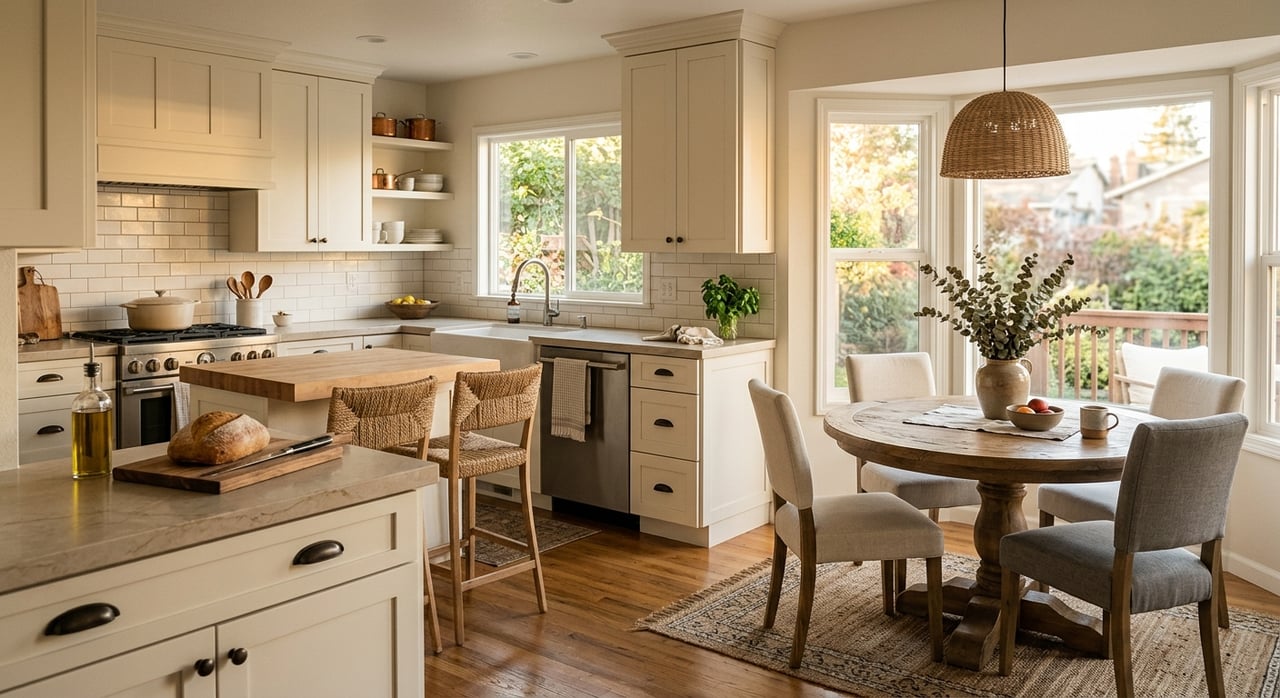
If you are trying to figure out where to buy in Wasco, you may notice something right away: this is not a city where every area comes with a polished neighborhood name and a long marketing pitch. That can make your search feel less straightforward, especially if you are comparing Wasco with Bakersfield, Shafter, or Delano. The good news is that once you understand how Wasco is laid out, what the housing stock looks like, and where future growth may happen, you can shop with much more confidence. Let’s dive in.
How to Think About Wasco Neighborhoods
Wasco is often easier to understand by layout and land use than by formal neighborhood branding. City materials point to an older central grid, lower-density edges, and a few higher-density residential pockets rather than a long list of widely marketed neighborhood names.
For you as a buyer, that means the street name alone may not tell the full story. In Wasco, it often makes more sense to compare housing age, lot size, zoning, and access to daily needs before deciding which area fits your goals.
Wasco Housing at a Glance
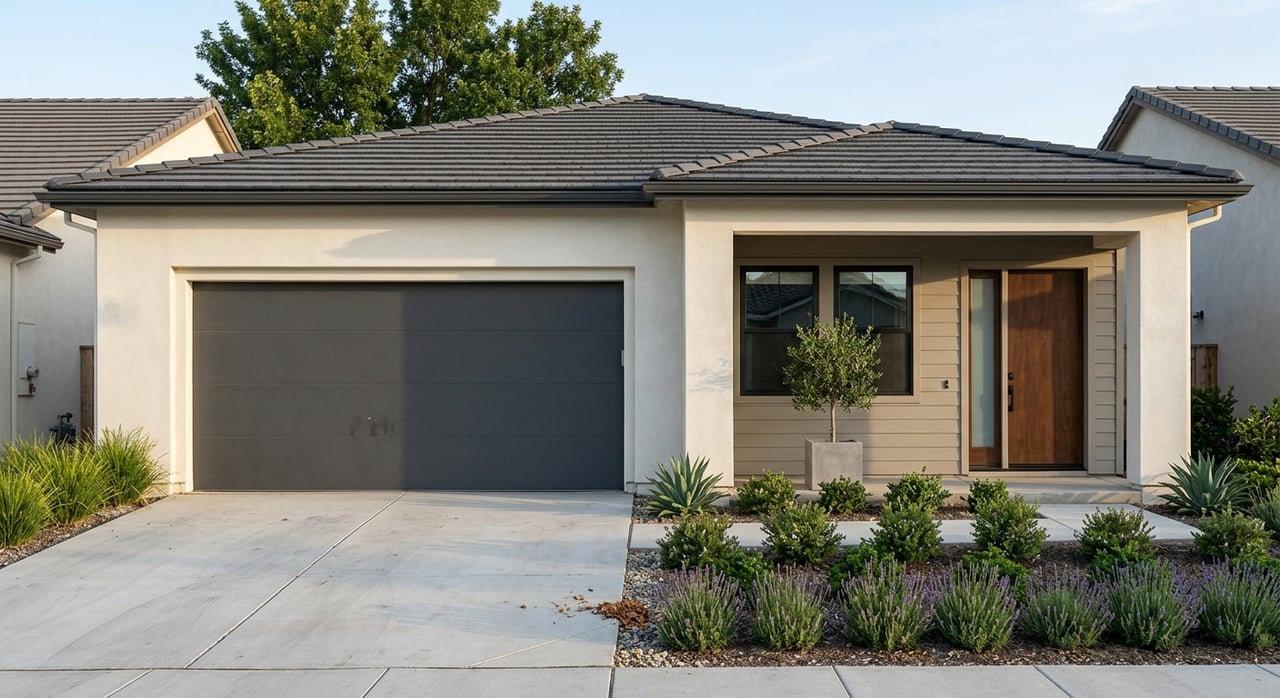
Most of Wasco’s housing is single-family. According to the city’s housing element, 79.5% of housing units fall into that category, which gives many buyers a familiar detached-home option across the city.
Wasco also has a meaningful mix of other housing types. City records show apartments, senior apartments, farm laborer housing, senior farm worker apartments, and single-family housing, so your options may include more than just one type of residential setting.
A big factor in Wasco is housing age. The city reports that 56.7% of homes were built from 1950 to 1989, while 23.4% were built after 1990, which means you will likely see a mix of older homes, later infill, and some replacement construction as you tour.
Central Wasco: Older Homes and Civic Access
If you look at the older central grid, you are more likely to find established streets and older single-family homes. This part of town connects closely to civic and daily-use destinations, including the downtown core and the Wasco Historical Society & Museum on 6th Street.
For some buyers, this area offers convenience and a more established feel. For others, the main question is property condition, since older homes may come with more maintenance questions than newer construction.
When you tour homes in older parts of Wasco, ask clear questions about:
- Year built
- Roof age
- Plumbing updates
- Electrical updates
- HVAC age and condition
- Insulation improvements
- Any major system replacements since original construction
Those details can matter just as much as the home’s appearance on day one.
Edge Areas: Lower Density and Larger Lots
Outside the older central pattern, Wasco includes lower-density residential areas that may offer a different feel. The city’s zoning framework includes low-density residential categories such as R-1-6, R-1-8, and R-1-10, along with estate and rural residential categories like R-E and R-R.
That matters because lot size can vary more than some buyers expect. City subdivision standards tie lot sizes to zoning, with minimum lots of 6,000, 8,000, or 10,000 square feet in the R-1 zones, so one area may feel tighter and more tract-like while another may offer a bit more breathing room.
If space is high on your priority list, these lower-density areas are worth a closer look. They can also be useful if you are comparing Wasco with nearby communities where entry price and lot size may not line up the same way.
Higher-Density Pockets and Mixed Housing Choices
Wasco also includes medium- and high-density residential zones such as R-2 and R-3. In practical terms, these areas may include more attached housing, apartments, or a more compact residential pattern.
That can be helpful if you want a lower-maintenance option or a different price point. It also means buyers should pay attention to the immediate block and surrounding land use, since one part of Wasco may feel very different from another even within a short drive.
Commute and Access Matter in Wasco
Neighborhood fit is not just about the house. It is also about how easily you can get where you need to go.
The city says Wasco is about 25 miles northwest of Bakersfield and is accessible by Interstate 5 and Highways 99, 43, 46, and 58. Wasco is also on the main BNSF rail line and has daily Amtrak service on the San Joaquin Valley Line.
For local transportation, the city operates Dial-A-Ride within city limits. North Kern Transit also connects Wasco with Delano, Lost Hills, Bakersfield, McFarland, and Shafter.
Census QuickFacts reports a mean travel time to work of 23.3 minutes. That gives you a useful baseline if you are balancing budget, commute, and home style across Kern County.
Daily Amenities and Lifestyle Areas
Wasco’s daily amenities are fairly concentrated, which can simplify your search if convenience matters to you. The city business directory places multiple food and quick-service businesses along Highway 46 and 7th Street, showing that Wasco’s main commercial activity is more focused than spread across several large retail districts.
The city also maintains four parks:
- Cormack Park
- Frank Barker Memorial Park
- Southgate Park
- Westside Park
Westside Park includes a skate park, Barker Park has a public pool, and tennis courts are available at Wasco Union High School. If access to parks and recreation is part of your home search, it is smart to map these spots against the areas you are considering.
Future Growth Could Shape Your Decision
One of the most important parts of buying in Wasco is understanding what might change nearby. The city’s Planning Division oversees land divisions, site plan reviews, variances, temporary use permits, annexations, and other development processes, while the general plan and zoning code guide future growth.
That means vacant land is not just empty space. It may represent future housing, commercial activity, or a different traffic pattern than what you see today.
One notable future-development corridor is the Wasco Center project area on the north side of SR 46 between Magnolia and Palm. City documents describe plans for large-box retail, shopping-center space, a theater, hotel, restaurant and office space, and multi-family units.
For buyers, this can cut both ways. Future development may improve convenience and support resale appeal, but it can also affect traffic, noise, and the overall feel of the surrounding area.
Questions to Ask Before You Buy
Because Wasco varies by age, zoning, and future development potential, it helps to go into each showing with a simple checklist. A few good questions can reveal a lot.
Ask about the property itself:
- What year was the home built?
- Have the roof, plumbing, electrical, or HVAC systems been updated?
- Are there any known utility or water-pressure concerns?
- What internet providers currently serve the address?
Ask about services and utilities:
- Is the home connected to city water, sewer, and garbage service?
- Which providers handle gas, electric, phone, and internet?
- Has the seller experienced any service interruptions?
Ask about the surrounding area:
- Are there vacant parcels nearby?
- Is adjacent land zoned for residential, commercial, or other uses?
- Are there any pending or possible development changes on nearby lots or corridors?
These questions are especially useful in a city like Wasco, where the surrounding land can shape your long-term experience just as much as the home itself.
Wasco Compared With Nearby Kern Markets
If you are comparing multiple Kern County communities, Wasco may stand out for affordability. Census QuickFacts lists Wasco’s median owner-occupied home value at $273,600, compared with $371,700 in Bakersfield, $335,800 in Shafter, and $301,900 in Delano.
That does not automatically make Wasco the right fit for every buyer, but it does make it a market worth serious consideration. You may be able to trade polished neighborhood branding for a lower entry point, practical access to highways and rail, city utilities, and a small-town setting with parks and a historic downtown anchor.
A Smart Way to Narrow Your Search
When buying in Wasco, the best approach is usually to focus on three things first: the home’s condition, the lot size and zoning, and the property’s location relative to SR 46, downtown, and future development corridors. Those factors often tell you more than a neighborhood label.
This is where local guidance can make a real difference. If you want help comparing blocks, touring with the right questions in mind, or weighing Wasco against other Kern County options, Phyllis Lopez can help you move forward with clear, hands-on support from consultation through closing.
FAQs
What should buyers know about Wasco neighborhoods?
- Wasco is better understood as an older central grid, lower-density outer areas, and some higher-density pockets rather than a city with many widely marketed neighborhood names.
What types of homes are common in Wasco?
- Single-family homes are the most common, making up 79.5% of housing units, but the city also includes apartments and other housing types.
Are many Wasco homes older?
- Yes. The city reports that 56.7% of homes were built from 1950 to 1989, so buyers should pay close attention to condition and system updates.
How do lot sizes vary in Wasco?
- Lot sizes depend on zoning, with minimum lot sizes in R-1 areas of 6,000, 8,000, or 10,000 square feet, plus larger-lot estate and rural residential areas.
What amenities should buyers look for in Wasco?
- Buyers often look at access to Highway 46 and 7th Street businesses, the city’s four parks, local transit options, and proximity to downtown services.
Why does future development matter when buying in Wasco?
- Wasco’s general plan and housing planning anticipate future growth, so nearby vacant land or corridor sites could affect traffic, convenience, noise, and resale over time.