If you are thinking about buying a brand-new home in Kern County, Shafter deserves a closer look. You may want more space, a simpler floor plan, and a neighborhood that feels planned out from the start, but still need practical access to Bakersfield and other job centers. The good news is that Shafter offers a mix of newer subdivisions, suburban amenities, and growth-minded planning that can make your search feel more focused. Let’s dive in.
Why Shafter stands out
Shafter is a small incorporated city in Kern County with a 2020 population of 19,953. City housing policy is also geared toward accommodating growth and creating opportunities for new housing units. For you as a buyer, that matters because it points to a market where newer homes are part of the local housing story, not just a rare exception.
This is not a market defined mainly by dense infill or scattered one-off builds. The latest builder information shows active or recent activity in tract-style communities such as Orchard Park, while Gossamer Grove remains an important master-planned reference point in Shafter. That gives you a clearer picture of what suburban new construction looks like here.
New construction in Shafter
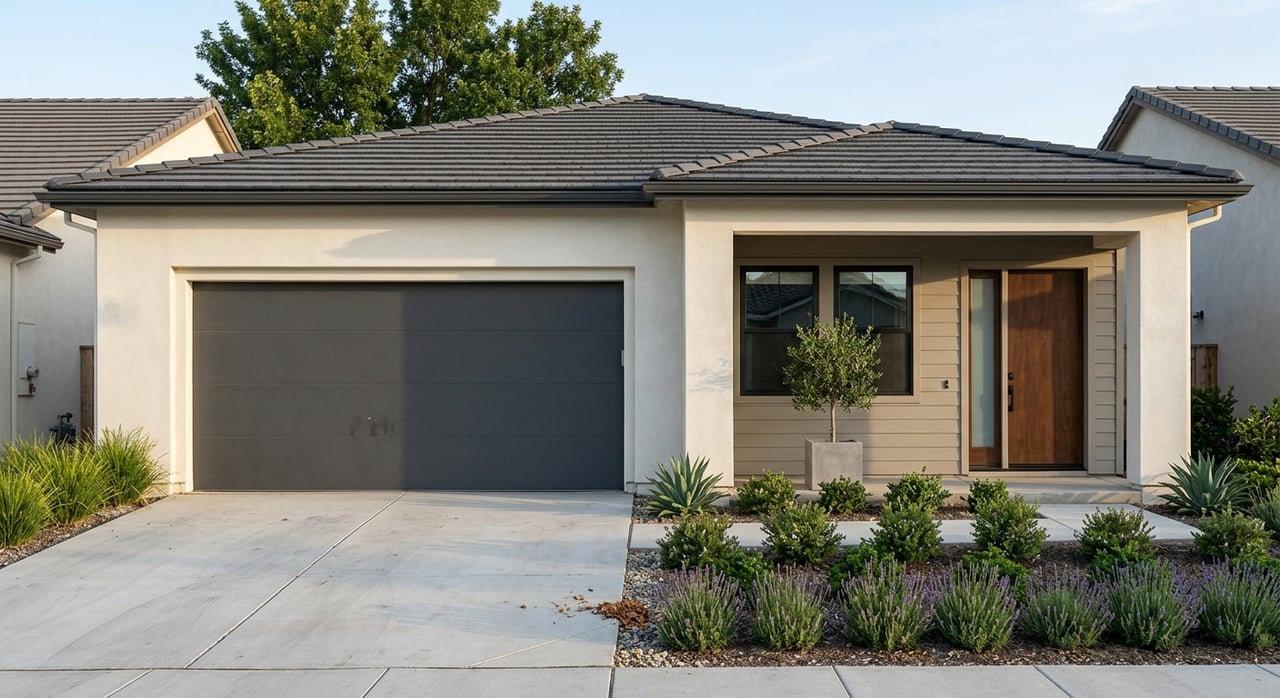
Current builder offerings suggest that Shafter’s new-home market leans toward practical, family-sized layouts. Orchard Park has offered 3- to 5-bedroom one-story homes ranging from 1,454 to 2,529 square feet. Gossamer Grove collections have been shown around 1,677 to 2,116 square feet with 3 to 4 bedrooms and 2 to 2.5 baths.
Some floor plans also reflect the flexibility many buyers want today. One Gossamer Grove example, the Lyra plan, is a 3-bedroom, 1,786-square-foot, two-story home with an open-concept layout and a 2-bay garage. In short, you are more likely to find streamlined suburban floor plans here than highly customized luxury construction.
What the suburban layout feels like
A big part of the appeal is how these communities are designed beyond the home itself. Gossamer Grove has been marketed with walking trails, parks, a greenbelt, sport courts, a dog park, and playground space. Orchard Park highlights a community park, playground, exercise stations, picnic areas, grills, and green space.
Those features help shape the day-to-day feel of suburban living. Instead of just comparing square footage, you can also think about how you want to use outdoor areas, community amenities, and neighborhood gathering spaces.
Getting around from Shafter
For many buyers, location is not only about the house. It is also about how easily you can get where you need to go. Shafter’s planning documents identify State Route 99, State Route 43, Lerdo Highway, and 7th Standard Road as key regional roadways.
That road access helps explain why Shafter can work well if you commute to Bakersfield or other Kern County employment areas. Builder marketing also emphasizes Highway 99 access, which lines up with the city’s broader transportation framework. If you want suburban space without feeling cut off, this is one of Shafter’s strongest selling points.
Lot sizes and neighborhood differences
One of the biggest mistakes buyers make with new construction is assuming every tract works the same way. In Shafter, lot size and yard style can vary by community. That means you should read the tract map and purchase documents carefully rather than rely on general impressions.
As a city baseline, Shafter’s zoning code states that in an R-1 subdivision with 13 or more lots, the average interior lot size is 6,500 square feet and the average minimum house size is 1,325 square feet. Even with that baseline, specific communities may differ. Lennar has described low-maintenance yards at Gossamer Grove, while LGI has marketed Orchard Park as offering large lots.
Questions to ask about the lot
Before you choose a home site, it helps to ask clear questions such as:
- How large is the specific lot on the tract map?
- Is the yard designed for low maintenance or more outdoor use?
- What fencing, landscaping, or exterior rules apply?
- Are there easements or common areas that affect the lot?
- What future phases or nearby improvements are planned?
These details can shape how the home lives over time just as much as the floor plan does.
HOA dues and assessments
In newer Shafter subdivisions, HOA costs may be part of your monthly budget. In California, an HOA is the organization that makes and enforces rules for a subdivision, planned community, or condo building. CC&Rs can cover things like fencing height and placement, which is why it is important to understand the rules before you buy.
If you purchase in a common interest development, HOA membership is automatic. The developer forms the HOA and initially controls the board before turnover to residents begins. That is a normal part of many new-home communities, but it is still something you should understand early in the process.
The practical issue is simple: brand-new does not always mean lower monthly obligations. HOA dues and special assessments can affect affordability, and the California Department of Real Estate notes that special assessments may be used for extraordinary costs. Assessments can also rise after a developer subsidy period ends.
What to verify before signing
Marketing materials can be helpful, but they are not the final word. Before signing, make sure you verify:
- Monthly HOA dues
- Any special assessments
- What amenities the fees support
- Rules for exterior changes and maintenance
- Whether fees shown in marketing are still current
Current community pages for Gossamer Grove display HOA information and approximate special assessment fees, but the public report and final contract are the documents that matter most.
Why the public report matters
For California new construction, the public report is one of the most important documents you will receive. The Department of Real Estate says the developer must provide it before you sign the purchase contract. This is your chance to slow down, read carefully, and make sure you understand what you are buying.
The public report summarizes material items such as utilities, title, taxes, assessments, special transfer fees, purchase contract information, HOA matters, and location-related risks. In a Kern County setting, that can also include the home’s location relative to agricultural operations, airports, and hazard areas. Those disclosures are especially important in growing suburban areas.
A smart review checklist
When you review a Shafter subdivision public report, pay close attention to:
- HOA rules and fee structure
- Special assessments and taxes
- Utilities and service details
- Nearby land uses and location-related disclosures
- Any hazard or airport-related notices
- Contract timelines and key buyer obligations
This review period is not just paperwork. It is one of your best tools for making a confident decision.
New construction versus resale
Choosing between a new home and a resale home in Shafter often comes down to tradeoffs. New homes commonly advertise newer finishes, energy-efficient appliances, open-concept layouts, smart-home features, and attached garages. Resale homes may offer more established landscaping or a more mature neighborhood feel.
The buying process is also different. New construction often includes more builder paperwork up front and a more structured closing timeline. In some cases, you may also wait for the builder to finish the home or complete certain community improvements before the transaction is final.
That does not make one option better for every buyer. It simply means your priorities should guide the decision. If you value newer design and builder-backed systems, new construction may stand out. If you prefer an older neighborhood pattern or want to compare more established properties, resale may still be worth considering.
Inspections and warranties still matter
It is easy to assume a brand-new home does not need the same scrutiny as an older one. In reality, inspections still matter. California DRE guidance for first-time buyers says to include a home inspection contingency and to consider a termite or pest inspection.
A new home also comes with specific warranty considerations. California Civil Code section 900 requires at least a one-year express written limited warranty for fit-and-finish items such as cabinets, flooring, walls, countertops, paint finishes, and trim. That can be a meaningful benefit when comparing a new home to a resale property.
If a construction defect appears after closing, the builder should be contacted first. California’s construction-defect procedures give the builder an opportunity to repair before litigation. That makes it important to keep your warranty documents organized and understand the reporting process from the start.
How to shop smarter in Shafter
When you compare new construction communities in Shafter, try not to focus on the model home alone. A smart comparison should include the monthly payment structure, lot characteristics, HOA rules, commute patterns, and document review. Homes that look similar online can feel very different once you compare the full picture.
A practical approach is to narrow your search around a few core questions:
- Do you want one story or two stories?
- Is yard size important to you?
- Are community amenities part of your lifestyle goals?
- How important is quick access to Highway 99 or other major roads?
- Are you comfortable with HOA rules and possible assessments?
- Would you rather have builder warranty coverage or an established resale setting?
The more clearly you answer those questions, the easier it becomes to spot the right fit.
Why local guidance helps
New construction can look simple on the surface, but the details matter. Fee structures, lot differences, public reports, inspection timing, and builder processes can all affect your experience. Having someone who knows Shafter and the wider Kern County market can help you compare options with more confidence.
That is especially helpful if you are relocating, buying your first home, or trying to decide between Shafter and nearby areas. A local, hands-on approach can make it easier to sort through the paperwork, timelines, and tradeoffs without feeling overwhelmed.
If you are exploring new construction and suburban living in Shafter, Phyllis Lopez can help you compare communities, understand the process, and move forward with clear local guidance.
FAQs
What types of new homes are common in Shafter?
- Shafter’s new-construction market mainly features tract-style suburban homes with 3 to 5 bedrooms, open layouts, attached garages, and a mix of one-story and some two-story plans.
What makes Shafter appealing for suburban living?
- Shafter offers newer subdivisions, community amenities like parks and trails in some developments, and practical access to major regional roads including SR-99 and SR-43.
Do new construction homes in Shafter have HOA fees?
- Some newer Shafter communities include HOA dues and possible special assessments, so you should verify the exact fee structure in the public report and final contract.
Should you inspect a brand-new home in Shafter?
- Yes. California DRE guidance says buyers should include a home inspection contingency and consider additional inspections such as termite or pest inspections.
What should you review before buying a new construction home in Shafter?
- You should carefully review the public report, HOA documents, assessments, taxes, lot details, utilities, and location-related disclosures before signing a purchase contract.
Is new construction in Shafter better than resale homes?
- It depends on your priorities. New homes may offer newer finishes, energy-efficient features, and warranty coverage, while resale homes may offer established landscaping and a more mature neighborhood feel.